Luxury assets feel tangible, rare, and culturally rich. Nvidia is a semiconductor company. On a return chart, that distinction gets very funny.
Luxury assets are fun to romanticize because they feel tangible, rare, and culturally rich.
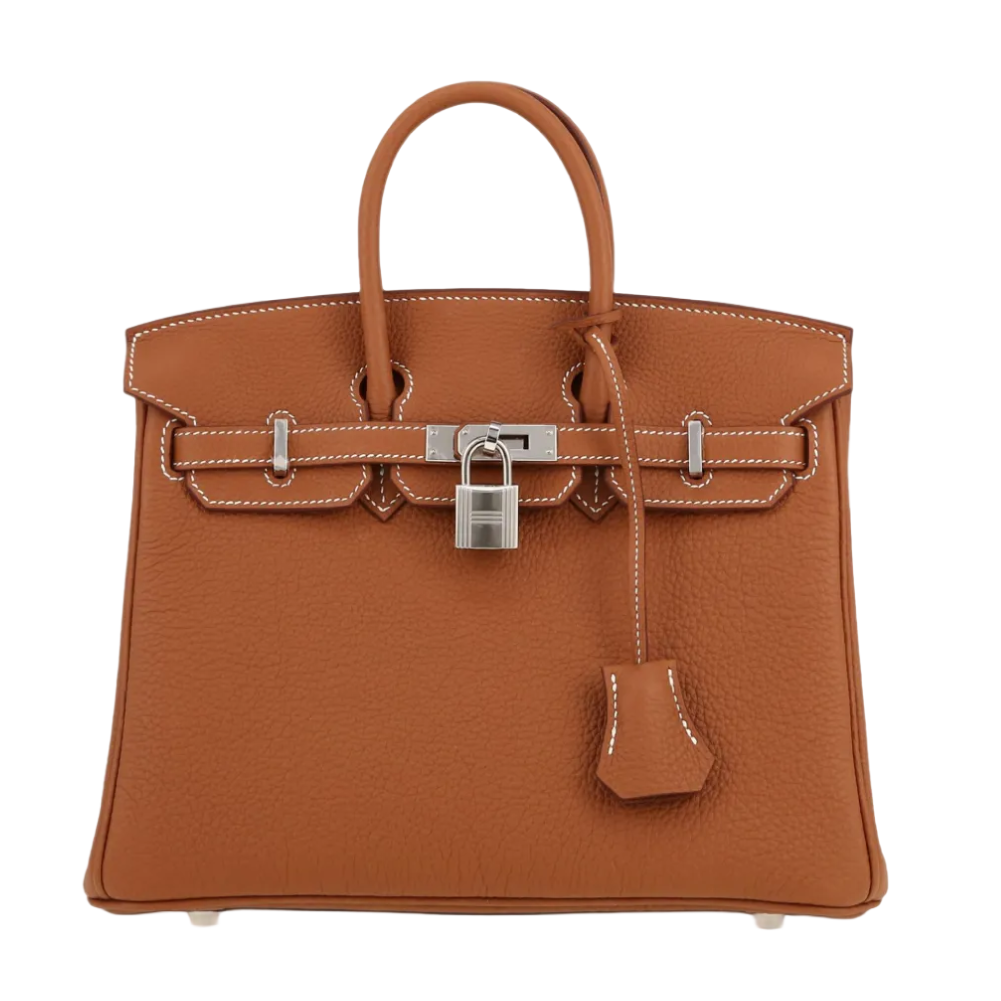
A Birkin has myth.
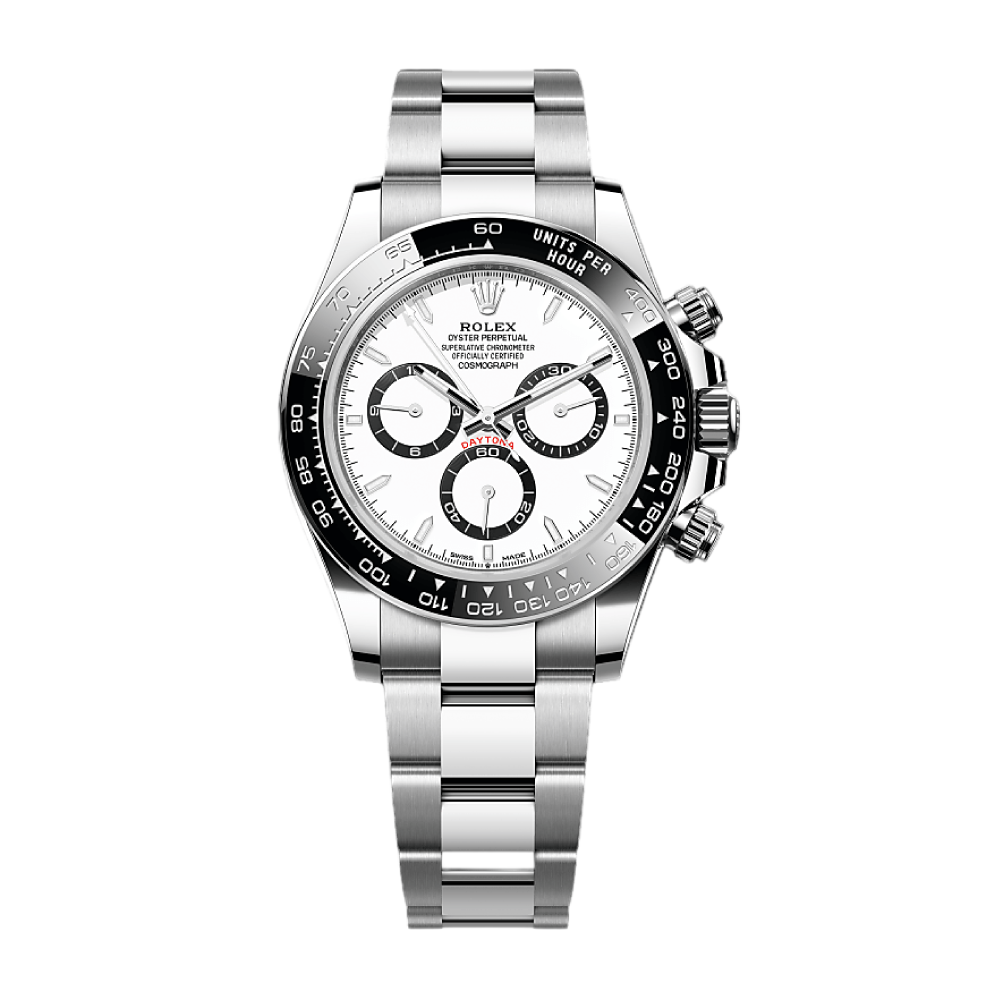
A Daytona has waitlist trauma.
Macallan 25 has age, oak, and ceremonial hesitation.
Romanée-Conti has the confidence of a bottle that knows it will never need a discount.
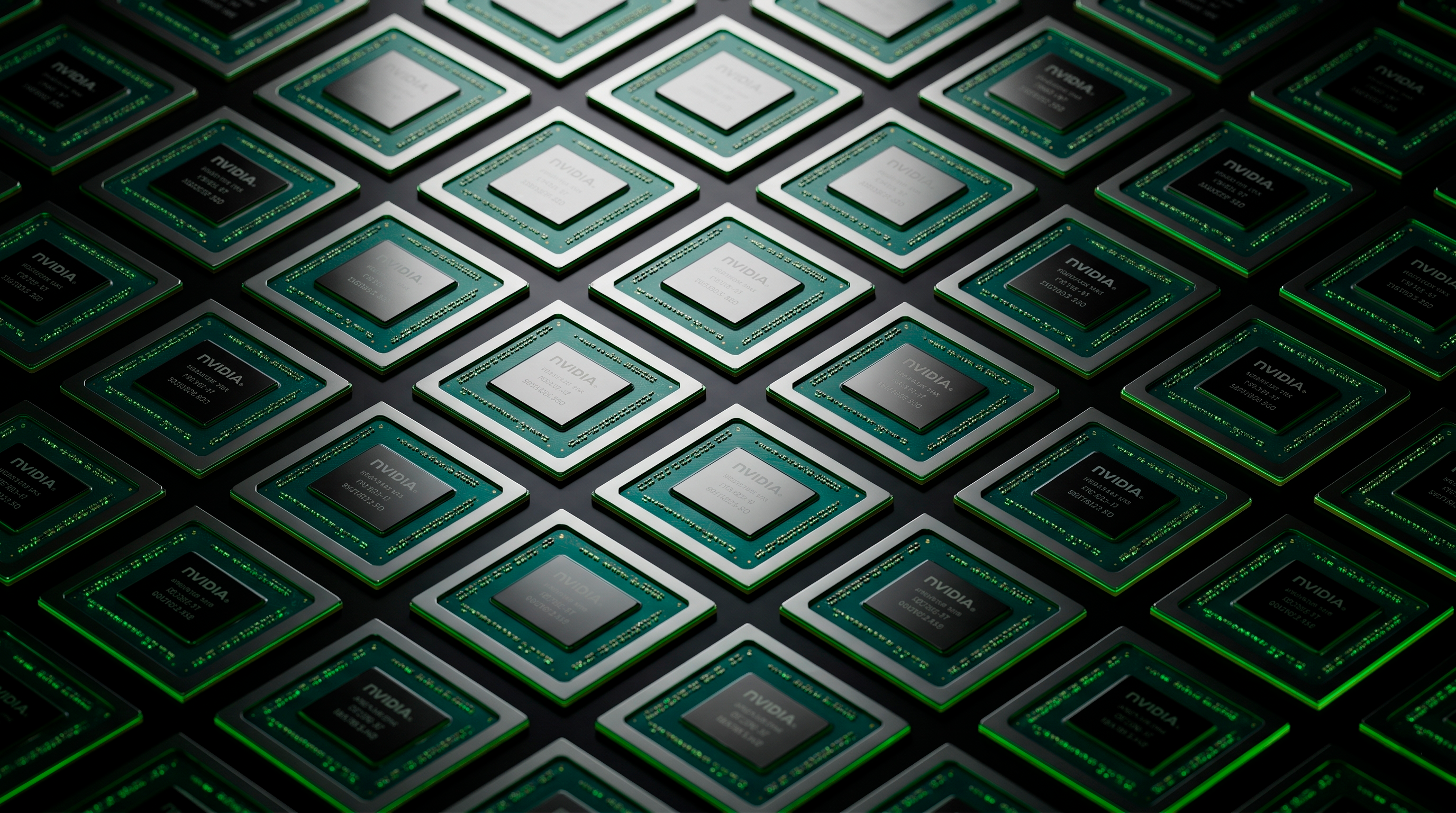
Nvidia is a semiconductor company.
On a return chart, that distinction gets funny very quickly.
What the chart shows
Nvidia
H. Birkin 30
Daytona
Macallan 25
DRC 09'
Did Nvidia Beat Every Luxury Asset?
The Splurge Index chart compares:
Nvidia
Hermès Birkin 30
Rolex Daytona 116500LN
Macallan 25 Year Old
Romanée-Conti 2009
from 2016 to 2026.
The luxury assets all tell meaningful stories. Some rise steadily. Some surge and cool. Some hold prestige with a more selective curve. But Nvidia enters from a different universe: public-market growth fueled by one of the most consequential technology demand waves of the decade.
The question in the headline sounds provocative. The chart explains why it is fair to ask.
Why Nvidia is the perfect foil
Nvidia
H. Birkin 30
Daytona
Macallan 25
DRC 09'
Nvidia · 2016
~$1.68→~$221
Hermès Birkin · 2016
~$15k→~$25k
Rolex Daytona · 2016
~$19k→~$32k
Macallan 25yr · 2016
~$963→~$2.2k
Romanée-Conti 09' · 2016
~$14k→~$23k
Nvidia is not simply “a stock that went up.” Its recent performance sits inside the broader artificial-intelligence infrastructure boom. The company’s own fiscal 2026 results reported $215.9 billion in annual revenue, up 65% year over year, with Data Center revenue driving much of the story.
That matters because Nvidia’s market performance reflects explosive business growth, not just cultural heat.
Luxury collectibles can become valuable because:
they are scarce,
admired,
difficult to access,
and emotionally charged.
Nvidia became extraordinarily valuable because it sat near the center of a capital-intensive technology buildout that investors believed could reshape the economy.
Same chart. Different engines.
Why the comparison is still useful
It would be easy to use Nvidia as a cudgel against luxury: *why buy the watch when you could have bought the stock?*
That is tidy and a little stupid.
People do not buy a Birkin because they misread a semiconductor forecast. They do not collect Macallan because they forgot equities exist. Luxury assets operate in a different register. They combine consumption, symbolism, and sometimes resale performance.
But the comparison still has value because it punctures overconfident “alternative asset” mythology. A collectible can rise impressively and still be nowhere near the return profile of a historic growth stock during its defining decade.
That is not an insult. It is context.
The chart is especially unforgiving to vague bragging
Luxury markets love imprecise claims:
“This bag only goes up.”
“That watch outperformed everything.”
“Wine is basically a better asset class.”
Sometimes there is truth hiding inside those lines. Sometimes there is just a prettier anecdote than a spreadsheet.
Nvidia forces specificity. Against an actual explosive market winner, many luxury curves become more modest. Still impressive, often. Just less mythic.
What Nvidia does not invalidate
The chart should not be read as “stocks good, luxury bad.” That would miss the point.
A Birkin can deliver value in use, status, and resale. A Daytona can be worn for years while retaining a meaningful premium. A bottle can be collected for reasons unrelated to maximizing return. Romanée-Conti can remain Romanée-Conti even if a chipmaker had a better decade.
The value of The Splurge Index is not that it turns every desire into a regret calculator. It is that it lets the comparison be honest.
The takeaway
Did Nvidia beat every luxury asset in this chart? The comparison is designed to make that question unavoidable.
The more important lesson is that not all spectacular-looking returns are spectacular on the same scale. Luxury can appreciate. Collectibles can have extraordinary moments. But public markets occasionally produce monsters, and Nvidia has been one of them.
Luxury has mystique. Nvidia had numbers. The chart keeps score.