Gold, Bitcoin, or a Birkin: What Actually Held Up Best?
Gold is tradition. Bitcoin is volatility. The Birkin is controlled desirability. One chart, three very different stories.
Gold, Bitcoin, and the Hermès Birkin are all used to tell stories about value. The stories just happen to be wildly different.
Gold says permanence.
Bitcoin says disruption.
The Birkin says scarcity, status, and a waitlist with emotional consequences.
Put them on one chart and a surprisingly good question appears: what does “held up best” even mean?
What the chart shows
Gold
Bitcoin
H. Birkin 30
Gold, Bitcoin, or a Birkin: What Actually Held Up Best?
The Splurge Index chart compares:
Gold
Bitcoin
Hermès Birkin 30
from 2013 to 2026.
Bitcoin brings the largest bursts of upside and the deepest emotional whiplash. Gold delivers a more traditional macro-driven value path, including strong recent periods as investor demand and price records re-entered the conversation. The Birkin shows a smoother luxury-resale climb, shaped less by macro headlines than by controlled scarcity and brand power.
Three assets. Three rhythms.
Gold: the old answer still works
Gold
Bitcoin
H. Birkin 30
Gold · 2013
~$1.7k→~$4.6k
Bitcoin · 2014
~$387→~$77k
Hermès Birkin · 2013
~$11k→~$25k
Gold has been called a store of value for so long that it risks sounding boring. That boredom is a feature.
It is globally recognized, widely traded, and deeply embedded in institutional and cultural ideas of safety. The World Gold Council reported record price milestones in 2025, underscoring that gold’s relevance did not disappear just because newer asset narratives arrived.
Gold does not need to be exciting to matter. It matters precisely because people keep returning to it when uncertainty rises.
Bitcoin: return potential with a nervous system
Bitcoin’s appeal comes from a different place. It is scarce by design, deeply volatile, and highly sensitive to adoption, policy, liquidity, and narrative shifts. It can make traditional return charts look sleepy. It can also punish anyone who confuses upside with stability.
The 2024 approval of spot Bitcoin exchange-traded products in the U.S. expanded mainstream access and reinforced the asset’s institutional relevance. But Bitcoin remains Bitcoin. Its chart is not smooth. It is a roller coaster with a thesis.
The Birkin: scarcity you can carry
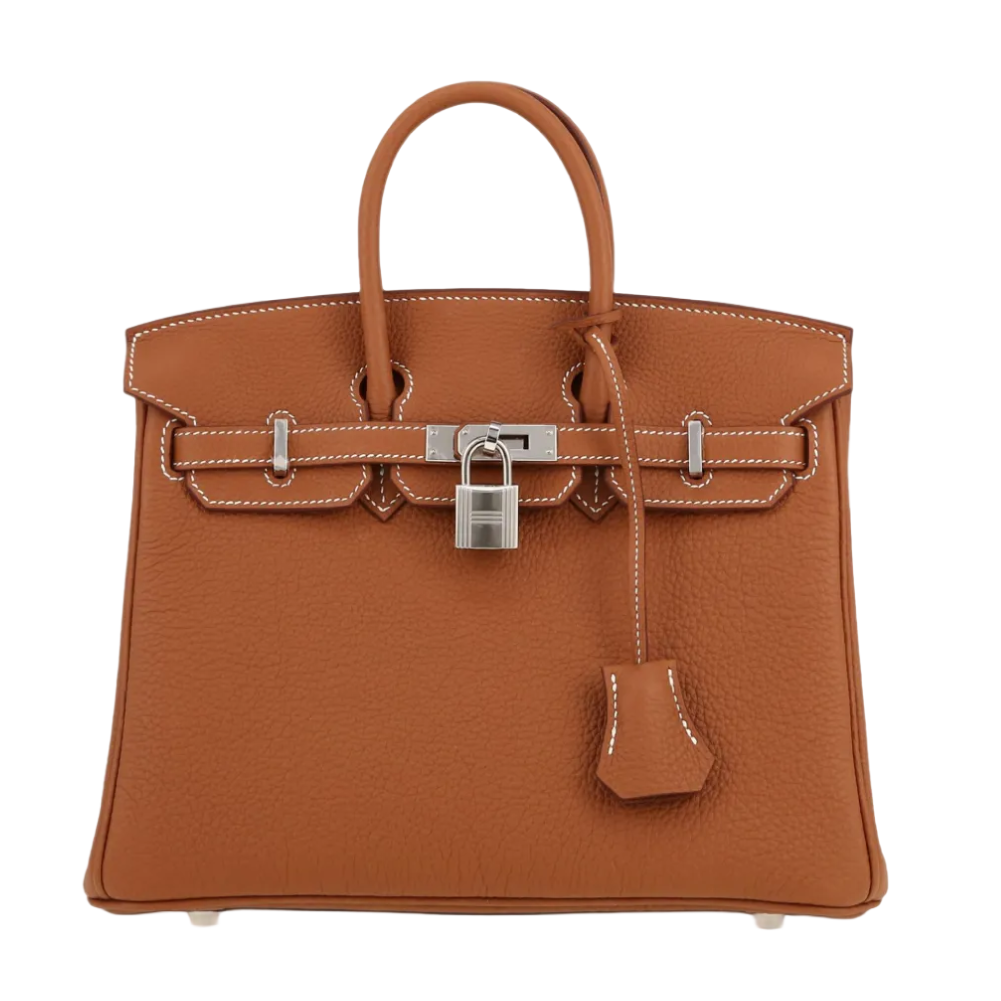
The Birkin occupies a fascinating middle ground. It is not liquid like gold. It is not explosive like Bitcoin. But its estimated resale value rises substantially over the period, turning a luxury object into a credible participant in a conversation about value retention.
Its price story comes from a different source:
controlled supply,
cultural prestige,
buyer frustration translated into premiums,
and decades of Hermès making sure the object never feels ordinary.
The Birkin does not need to beat Bitcoin at Bitcoin’s game. It plays a different one.
So what does “held up best” mean?
If you mean largest upside, the answer can change dramatically depending on the window — and Bitcoin often forces itself into the lead.
If you mean stability and global liquidity, gold has the cleaner case.
If you mean persistent premium in a status-driven resale market, the Birkin deserves more credit than a handbag has any right to demand.
This is why one-number conclusions are unsatisfying. “Best” depends on what you want:
return,
steadiness,
sellability,
symbolism,
or the pleasure of owning the thing itself.
The takeaway
Gold, Bitcoin, and the Birkin are three ways people try to store conviction.
One is ancient. One is algorithmic. One is stitched.
The chart does not choose a philosophy for you. It simply reveals that the word value has been doing a lot of work.